
6 Qualities of a Well-Constructed Crawl Space
A crawl space is often out of sight, which makes it easy to overlook until problems develop. However, the condition of this area directly affects indoor air quality, moisture control, and overall structural performance. Knowing the characteristics of a well-constructed crawl space in Dallas, TX, helps homeowners recognize when maintenance or crawl space repair may be needed. James Bond Complete Foundation Repair has spent more than 25 years working with homeowners, and crawl space issues are a common part of what we evaluate during inspections and repairs. A properly built and maintained crawl space can help homeowners avoid structural problems and costly repairs down the road.
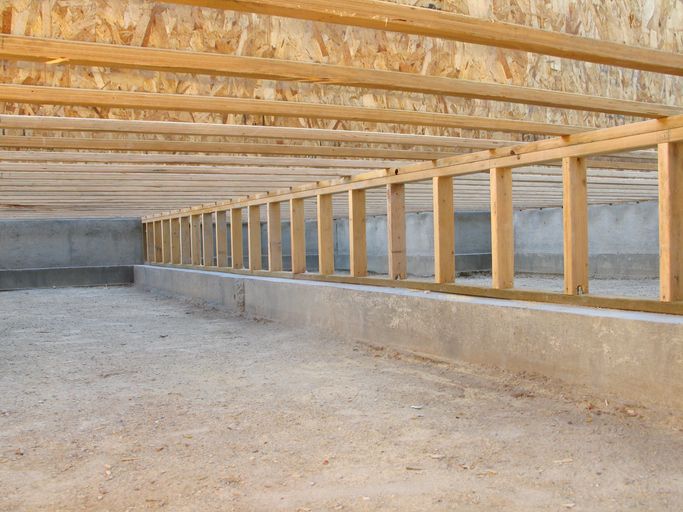
What Is Crawl Space Construction?
Crawl space construction refers to the process of building a shallow, accessible area beneath a home that elevates the structure above the ground. This space typically ranges from one to three feet in height and allows access to plumbing, electrical systems, and structural components. Crawl spaces are common in regions where soil conditions and drainage concerns make slab foundations less practical. Proper construction focuses on structural support, moisture control, and ventilation. When these elements are handled correctly, the crawl space provides stability and accessibility while reducing exposure to ground moisture.
Advantages of Crawl Space Foundations
There are several advantages of crawl space foundations that make them appealing for homeowners and builders. However, these benefits depend heavily on proper construction and ongoing care. When designed and maintained correctly, crawl spaces can perform well in challenging soil conditions. Advantages of crawl space foundations include:
- Easier access to plumbing and electrical systems
- Improved moisture control compared to direct ground contact
- Better adaptability to soil movement
Typical Materials Used in Building a Crawl Space
The materials used in crawl space construction directly affect durability and performance. Most crawl spaces are built using concrete footings, masonry or concrete block walls, and structural supports such as beams and piers. Vapor barriers and insulation are also essential components. When these materials are installed correctly, they contribute to a stable and well-constructed crawl space that performs consistently over time.
6 Qualities of a Well-Constructed Crawl Space
A crawl space that performs as intended shares several important characteristics, and each quality contributes to structural stability, moisture control, and long-term durability. When these elements work together, they help protect the home and reduce the likelihood of crawl space and foundation problems:
- Proper Drainage and Grading – Drainage systems and soil grading should direct water away from the crawl space rather than allowing it to collect beneath the home. Poor drainage increases moisture levels and can weaken soil support over time. Correct grading helps prevent standing water that contributes to rot, mold, and structural stress.
- Effective Moisture Barriers – Moisture barriers, such as vapor barriers installed along the ground and walls, limit the amount of water vapor entering the crawl space. These barriers reduce humidity levels, protect structural components, and help prevent mold growth and wood deterioration caused by prolonged moisture exposure.
- Adequate Ventilation or Encapsulation – Crawl spaces need a controlled approach to air and moisture movement. Proper ventilation allows moist air to escape, while encapsulation seals the space and manages humidity through controlled airflow. Either method must be correctly designed to prevent trapped moisture and condensation.
- Strong and Evenly Spaced Structural Supports – Beams, piers, and joists must be properly sized and spaced to support the weight of the home evenly. Weak or poorly placed support can lead to sagging floors and uneven load distribution. Consistent support placement helps maintain floor stability and structural alignment.
- Accessible Entry Points for Inspections – A crawl space should have a clear and usable access point that allows for regular inspections and maintenance. Easy access makes it possible to monitor moisture levels, structural supports, and utility lines. Limited access often leads to overlooked problems that worsen over time.
- Durable Materials Suited for Local Soil Conditions – Materials used in the crawl space must be able to withstand moisture and soil movement. Concrete, treated wood, and properly rated barriers help ensure the crawl space remains stable and functional despite changing ground conditions.
Crawl Space Maintenance Tips
Even a properly built crawl space requires ongoing attention. Regular observation and professional evaluations are key parts of long-term performance:
- Check for standing water or damp soil. Moisture is one of the most common contributors to crawl space problems.
- Inspect vapor barriers for damage or displacement. Early detection allows homeowners to address drainage or ventilation concerns before crawl space repair becomes necessary.
- Schedule professional evaluations if floor movement or moisture appears. Professional inspections provide a deeper look at structural supports and soil interaction beneath the home.
Schedule a Crawl Space Evaluation
Are you concerned about the condition of your crawl space? If you want to ensure it meets the standards of a well-constructed crawl space, contact James Bond Complete Foundation Repair in Dallas, TX, to schedule a free estimate. We will evaluate your crawl space, explain any issues, and recommend long-term solutions.