
Retaining Wall Systems Services in Dallas, Texas
Comprehensive Retaining Wall Systems in Dallas, TX
Foundation distress is a common side effect found in homes built on expansive soils. To limit further degradation, safety hazards, and unnecessary expenditures, partner with James Bond Complete Foundation Repair. To uphold the integrity of your home environment, we provide full-service retaining wall system repairs and installations in Dallas, TX.
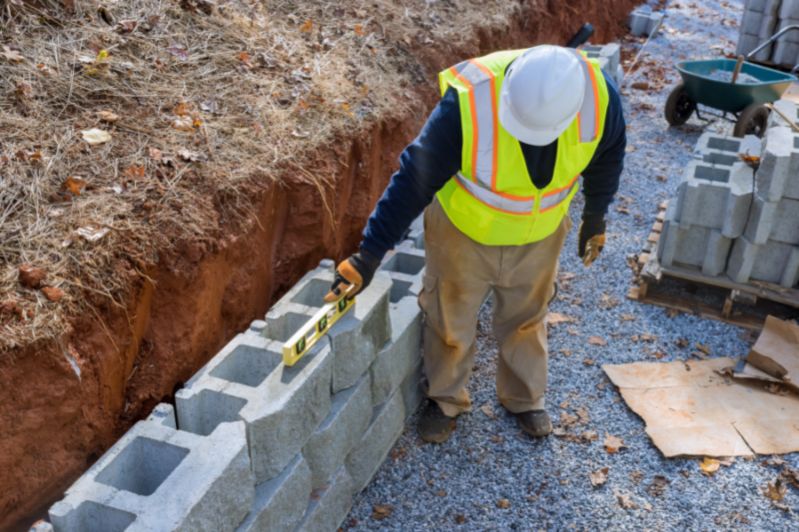
Reinforce the Safety & Integrity of Your Home
James Bond Complete Foundation Repair is your source for dependable foundation services. With a commitment to the highest standards of quality, we strive to combine seamless customer experiences with professional solutions to satisfy diverse structure leveling and foundation repair needs. Trust in our expertise to diagnose and remedy structural inefficiencies with sustainable, high-value repairs.
The Risk of Expansive Soils
Cracked walls, stuck doors, and bulging floors indicate foundation issues, which is a common theme for Dallas homes built on expansive soil. This reactive soil is constantly shrinking and expanding depending on the water levels. As a result, it can cause homes to shift unevenly or crack due to constant movement.
Understanding Retaining Wall Systems
You may opt for a retaining wall system to proactively prevent or correct problems derived from expansive soil. Retaining wall systems effectively stabilize the soil by containing it. These features transform sloped terrains into two separate soil levels to mitigate harmful water runoff, soil erosion, and foundation problems.
Types of Retaining Wall Systems
There are different types of retaining wall systems available to satisfy various property types and soil conditions. Based on an initial evaluation, our experts will provide you with personalized recommendations on the best solution for your property, which may include:
Gravity retaining walls
Cantilevered retaining walls
Sheet piling retaining walls
Anchored retaining walls
Gravity Retaining
Walls
Gravity retaining walls are simple designs that use weight and mass to combat lateral soil pressure. These modular retaining wall systems are crafted from solid and durable materials, including non-mortar stones, pavers, or bricks. While compact gravity retaining wall block systems offer ample stability, larger applications may require trenching or the support of a concrete base.
Cantilevered Retaining Walls
Cantilevered retaining walls are similar to traditional modular retaining wall systems but with reinforced stability. They boast robust protection with the added backing of steel bars and a concrete base. Their stable foundation makes them suitable for more expansive applications, as they are designed to keep larger amounts of soil in place.
Sheet Piling Retaining Walls
Sheet piling retaining walls are best suited for compact properties with restrictive spatial requirements. Sheet piling retaining wall systems are made from thin layers of wood, steel, or vinyl. Using a corrugated configuration, sheet piling is implanted directly into the property’s soil, with one-third of the material submerged and held in place by durable anchors.
When to Opt for a Retaining Wall System
With Dallas, TX’s unique soil conditions, there are many reasons to opt for retaining wall systems. At James Bond Complete Foundation Repair, we specialize in providing solutions for the following objectives:
Eliminate sloped terrain for leveled ground
Enhanced erosion control
Improved structural support and
Divert water runoff for effective flood prevention
Increased property value
Repairing Retaining Wall Systems
With consistent exposure to the elements, older or poorly installed retaining wall systems may succumb to damage. Fortunately, James Bond Complete Foundation Repair has you covered. We offer meticulous evaluations to detect the underlying source of the problem and provide a suite of tailored retaining wall repairs to restore your property’s efficiency and protection.
Warning Signs That You Need Retaining Wall Repair
To determine whether your retaining wall needs professional intervention, it’s important to familiarize yourself with common issues. The warning signs that you need repair include:
Cracks or bulging caused by excess pressure or a faulty foundation
Leaning caused by drainage inefficiencies or improper installation
Soil erosion at the base of the wall
Shifting wall blocks
Retaining Wall Drainage System Installation & Repair Process
Merging industry expertise and extensive local soil knowledge, we employ a multi-step process to repair and install retaining wall systems. Our detailed approach includes:
- Complimentary phone consultation and free estimate
- Site assessment to evaluate areas of concern
- Tailored retaining wall drainage system design
- Complete site preparation
- Project execution
- Quality assurance inspection
Choose James Bond Complete Foundation Repair
Defined by confidence, extensive skill, and over two decades of experience, James Bond Complete Foundation Repair provides unparalleled retaining wall systems solutions. With superior-grade materials and the latest techniques, we operate with the utmost precision, safety, and professionalism. Trust us for cost-effective service and sustainable results backed by a lifetime warranty.
Secure Your Free Retaining Wall Drainage System Estimate
Owning a home can be a financial challenge. Allow us to relieve some of the strain and stress that comes with navigating homeownership. Achieve total peace of mind with James Bond Complete Foundation Repair’s reliable retaining wall drainage system repairs and installations. Contact our experts today to request your free estimate.
One of the most critical aspects of maintenance is ensuring proper drainage. Without a sound drainage system, water can build up behind the wall, creating immense pressure that can cause it to bow, crack, or collapse. Here are a few essential maintenance tips: In Dallas, retaining walls are built from a variety of materials, each offering different benefits in terms of cost, durability, and appearance. Common choices include: The lifespan of retaining wall solutions depends on the material used and the quality of its installation. Concrete and stone walls, when well-built and properly maintained, can last 50 to 100 years or more, while treated timber walls typically last from 15 to 20 years before needing replacement. Regardless of the material, the key to longevity is a solid foundation and an effective drainage system, as walls that constantly retain water are prone to fail much sooner. Calculating the number of blocks needed for a retaining wall involves a few simple steps. First, measure the total length and desired height of your wall in feet. Multiply the length by the height to get the total square footage. Next, find the square footage of the face of a single block. Finally, divide the total square footage of the wall by the square footage of one block. It’s always a good idea to add 5-10% extra to account for cuts and waste. Recognizing the early signs of failure can help you address problems before they become catastrophic. This is especially important if you have a retaining wall near your house foundation, as a collapse could cause significant damage. Look for these warning signs: