Ways Tree Roots Can Cause Foundation Problems
November 9, 2026
How Your Home Foundation Gets Cracks from Trees
Trees can add shade and character to your property, but their roots can also affect the ground beneath your home. Changes in surrounding soil may gradually reduce the even support a foundation needs. If you suspect tree root foundation damage, James Bond Complete Foundation Repair can evaluate your home in Dallas, TX, and help identify the source of the movement. Knowing how trees affect nearby soil can help you protect your foundation while maintaining your landscaping.
How Tree Roots Can Cause Foundation Problems
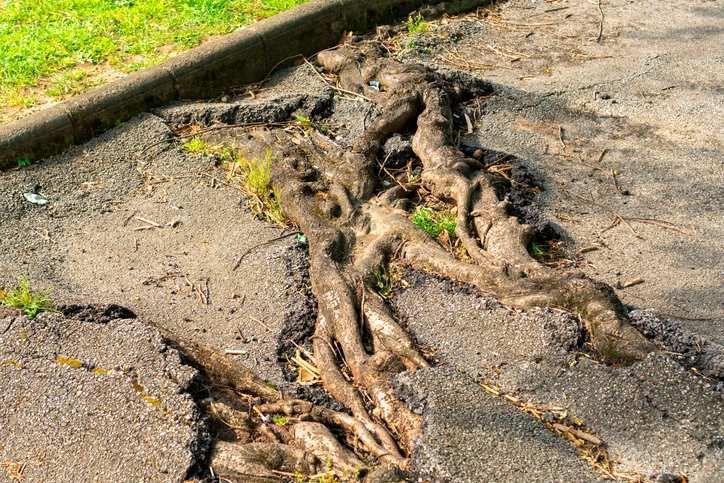
Tree roots naturally spread through soil in search of water and nutrients. As large root systems draw moisture from the soil, some soils can shrink, altering the support beneath a foundation. Uneven soil changes may then contribute to movement in parts of the home. Large roots growing very close to a structure may also affect nearby soil and hardscaping. Understanding these conditions can make it easier to recognize possible foundation cracks from trees. The effect can also depend on the tree’s size, distance from the home, and the type of soil beneath the property. That is why the surrounding conditions matter when assessing possible damage to your home’s foundation.
How Water and Tree Roots Affect the Soil Around Your Home
Moisture levels can influence how soil behaves around a foundation. Tree roots absorb water from the ground, while rain, irrigation, and drainage can add moisture back into the soil. These changes can become important when the soil expands as it gets wet and contracts as it dries. In addition, a large tree may draw more moisture from one area than another. This uneven support is one of several possible causes of foundation movement a professional may consider during an evaluation. Seasonal weather can make these moisture changes more noticeable. Hot, dry periods may reduce available soil moisture, while periods of rain can cause the same soil to absorb more water.
Common Signs of Tree Root-Related Foundation Damage
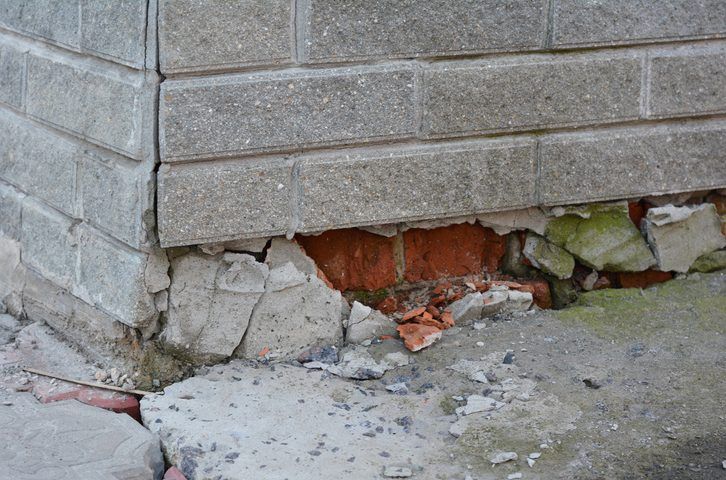
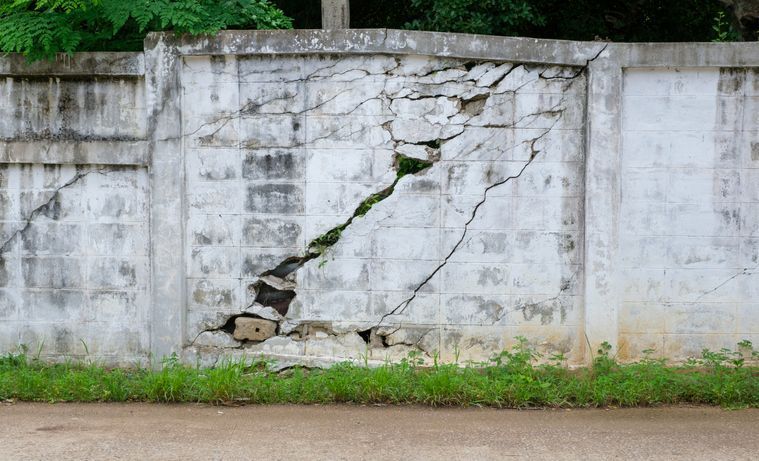
Changes associated with foundation movement may become visible inside and outside your home. Keep an eye on patterns of warning signs rather than assuming one isolated change identifies the cause:
- Wall Cracks - New cracks may develop in interior walls or exterior surfaces. Existing cracks may also change over time.
- Uneven Floors - Sections of flooring may begin to slope, dip, or feel different underfoot.
- Sticking Doors - Doors and windows may become harder to open, close, or latch as their frames shift.
- Exterior Gaps - Watch for new spaces around doors, windows, trim, or other areas where building materials meet.
Which Trees Are More Likely to Cause Foundation Problems?
Trees with large root systems or high water demands deserve additional consideration when planted near a home. Several trees commonly grown in North Texas can develop extensive roots:
- Oak Trees - Mature oaks can develop broad root systems extending well beyond the trunk.
- Elm Trees - Elms can grow large and develop extensive root systems as they mature.
- Cottonwood Trees - Cottonwoods grow quickly and can develop extensive root systems in search of moisture.
- Willow Trees - Willows favor moist conditions and can produce wide-ranging roots where water is available.
How Close Should Trees Be to Your Home?
There is no single planting distance that works for every tree. Mature size, root characteristics, soil conditions, and available space all matter. A small ornamental tree may suit an area where a large shade tree would eventually become crowded. If you are concerned about trees too close to house foundations, consider the mature size rather than the tree’s size when planted. Existing mature trees may require a different approach, so avoid removing them solely because foundation movement appears nearby. Identify the cause first.
How to Prevent Tree Roots From Damaging Your Foundation
Good planning can help trees and foundations coexist successfully on the same property. Pay particular attention to mature tree size, soil conditions, and how water moves around the home:
- Plan Tree Placement - Choose planting locations based on the tree’s expected mature size and root characteristics.
- Manage Water Carefully - Keep irrigation and drainage patterns in mind so soil conditions around the foundation remain as consistent as practical.
- Choose Suitable Trees - Consider available planting space before selecting trees that may develop large canopies and root systems.
- Review Existing Landscaping - Regularly check landscaping near foundation areas for changing soil, drainage concerns, or signs of structural movement.
What to Do if Tree Roots Have Damaged Your Foundation
Start with a professional foundation evaluation if you notice structural changes near mature trees. Tree roots may be one factor, but soil moisture, drainage, plumbing leaks, and other site conditions can also contribute to movement. A foundation specialist can assess the home before you make major decisions about repairs or tree removal. This step is especially valuable if you plan to remodel. Understanding the foundation’s condition first helps you determine which work should take priority and protects the improvements you plan to make.
Schedule Your Foundation Evaluation Today
Foundation concerns do not automatically mean you need to give up mature trees or change your landscaping. The first right step is to find out what is affecting your home. James Bond Complete Foundation Repair brings more than two decades of foundation industry experience and knowledge of Dallas-Fort Worth area soils to each evaluation. If you notice cracks, uneven floors, or other possible signs of movement, contact us today to schedule a free foundation evaluation.
Recent Posts
- Loading posts…
Recent Posts
- Loading posts…
What to Read Next