Signs Your Home’s Structure Is Shifting (Doors, Floors, and Walls)
November 16, 2026
Signs of House Foundation Issues
Small changes around your home can sometimes point to movement beneath the structure. Cracks may appear, floors can change, or doors may stop closing the way they once did. Recognizing these changes can help you decide when a closer look makes sense. If you notice your house has foundation issues, reach out to James Bond Complete Foundation Repair. We provide professional foundation evaluations for homeowners across Dallas, TX, and the surrounding areas. Knowing what to watch for can help you better understand your home’s condition and plan your next steps.
What Does It Mean When a House Is Settling?
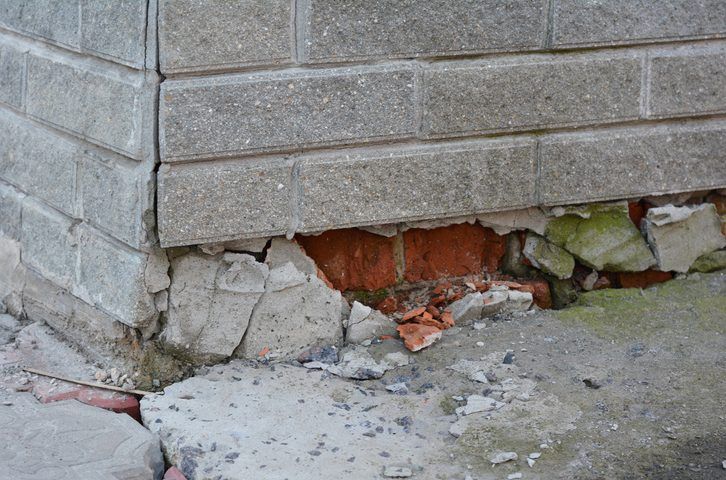
Settling occurs as a home and the soil beneath it change over time. Some minor movement can occur without indicating a serious problem. More noticeable or uneven changes may deserve closer attention. Common house settling signs include new cracks, changes in floor level, and doors that no longer fit their frames as they once did. Soil conditions can also affect how a foundation responds over time, making the pattern and extent of the changes important.
Common House Shifting Symptoms
Foundation movement can show up in several parts of a home. Some house shifting symptoms may develop slowly, so pay attention to changes that are new or becoming more noticeable:
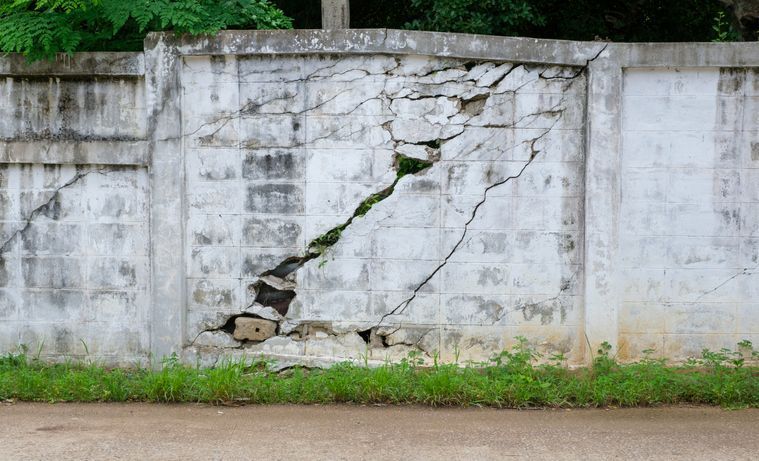
- Wall Cracks - Look for new cracks around doors, windows, or where walls meet ceilings. Changes in existing cracks can also be worth noting.
- Sticking Doors and Windows - Frames can shift out of alignment, making doors or windows harder to open, close, or latch.
- Uneven Floors - Floors may begin to slope, dip, or feel different underfoot as the structure moves.
- Visible Gaps - Gaps may develop between walls, ceilings, floors, cabinets, or trim when parts of the home shift.
What Causes a Home’s Structure to Shift?
The ground supporting a home can change as soil gains or loses moisture. Some soils expand when wet and contract when dry, which can alter the support beneath a foundation. Drainage patterns, plumbing leaks, and extended periods of dry weather may also affect soil moisture around a home. In addition, the conditions can vary by property. An evaluation of the structure and surrounding soil can help determine what may be contributing to the movement.
How Soil Conditions Can Affect Your Foundation
Soil plays an important role in supporting your home. Changes in moisture can cause some soils to expand or contract, which can affect the support beneath a foundation. Conditions may also differ across the property. One area can respond differently to rainfall, dry weather, drainage, or nearby water sources. Because of that, foundation movement should be considered alongside the conditions around the home. Local soil knowledge can help a foundation professional assess potential home foundation issues and determine what may be contributing to structural changes.
How to Check Your Home for Signs of Structural Shifting
You do not need to diagnose a foundation problem yourself. A simple visual check can help you document changes and determine whether a professional evaluation would be useful:
- Check Doors and Windows - Open and close them to see if operation has changed. Note new sticking, gaps, or alignment problems.
- Look Along Walls - Check interior and exterior walls for new cracks or changes in existing ones.
- Walk Across Floors - Pay attention to slopes, dips, or areas that feel noticeably different from surrounding flooring.
- Track Changes - Note when you first notice a change and whether it develops further. Photos can make changes easier to compare over time.
When Should You Call a Professional?
Consider a professional evaluation when changes appear in several areas, become more noticeable, or occur alongside other warning signs of structural damage. An evaluation can also make sense before a major remodel if you have concerns about the foundation. This gives you a clearer picture of the home’s condition before you invest in other improvements. A foundation professional can examine the structure, consider local soil conditions, and determine whether repairs may be appropriate.
Why You Shouldn’t Ignore Signs of Structural Shifting
Changes around your home can provide useful clues about its foundation. Addressing those clues early can help you understand what is happening and make informed decisions about maintenance or future remodeling:
- Continued Movement - An existing change may develop further if the conditions contributing to foundation movement remain present.
- Interior Changes - Movement can affect walls, floors, doors, windows, cabinets, and other finished areas of the home.
- Repair Planning - An evaluation can clarify whether repairs are needed and help you plan other home projects in the right order.
- Remodeling Decisions - Understanding the foundation first can help you avoid completing finish work before a structural concern is addressed.
Schedule an Evaluation for Your Property Today
If you have noticed potential foundation movement in your Dallas-area home, a professional evaluation can provide useful answers before you plan repairs or remodeling. James Bond Complete Foundation Repair has more than two decades of industry experience and soil expertise in the Dallas-Fort Worth area. The company also provides free evaluations for homeowners. Contact us to discuss the changes you have noticed and arrange an evaluation of your home.
Recent Posts
- Loading posts…
Recent Posts
- Loading posts…
What to Read Next