
Indicators of a Failing Retaining Wall
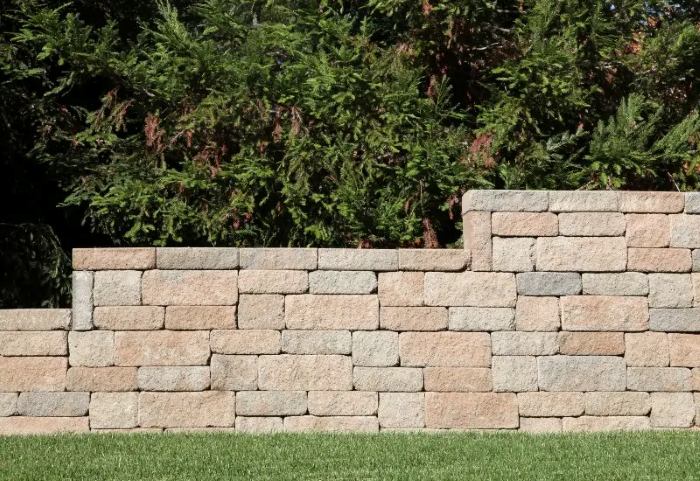
Learn the Signs of Retaining Wall Failure in Dallas, TX
Retaining walls are essential structures that provide support and prevent soil from shifting or eroding. When properly built and maintained, they are a reliable defense for your property. However, over time, subtle changes may indicate potential issues. If you’re in Dallas, Garland, Plano, or elsewhere in the Dallas–Fort Worth metroplex, recognizing the signs of retaining wall failure early is critical to avoiding structural and property concerns. At James Bond Complete Foundation Repair, we specialize in identifying these signs and offering practical solutions to restore stability and safety by promptly addressing these issues. You can maintain the integrity of your retaining wall and the surrounding landscape.
Early Signs of Retaining Wall Failure
Detecting early signs of retaining wall failure is crucial to preventing larger, most costly issues. Retaining walls are essential for maintaining structural integrity in landscapes, but they can deteriorate over time due to stress, weathering conditions, or improper construction. Identifying warning signs like cracks, bulges, or soil movement can help you address potential failures before the damage becomes severe. Here is a list of key indicators to monitor. Paying attention to these signs of retaining wall failure can safeguard your property and maintain stability:
- Cracks and Bulges – Visible cracks or bulges in the retaining wall indicate excessive pressure or material fatigue. Over time, these symptoms can worsen, compromising the wall’s ability to hold back the soil.
- Sagging in the Wall—Sagging sections suggest uneven pressure distribution or poor construction. This often weakens the wall and puts it at a higher risk of collapse.
- Separation from the Soil—When the wall pulls away from the soil, it may be due to erosion or improper anchoring. This gap can reduce the wall’s stability and support capacity.
- Collapse of Soil Around the Wall—Soil falling or slumping around the retaining wall indicates that the structure no longer provides sufficient support. Ignoring this can result in rapid deterioration of the entire system.
How to Prevent Retaining Wall Collapse
Proper design and construction are essential to prevent retaining wall collapse. Ensure the wall is built with high-quality materials suited to the site’s condition. Implement sufficient drainage solutions to minimize water buildup, as excess moisture creates added pressure. Monitor the wall regularly for signs of wear, such as cracks or leaning, and address issues promptly. Avoid overloading the wall with heavy items or vehicles. With proactive attention and appropriate care, these measures significantly reduce the risk of failure.
Explore Our Retaining Wall Repair Tips
Proper maintenance and repair of your retaining wall are essential to ensure its long-term stability and functionality. Addressing common issues can prevent minor problems from turning into costly damage. Reinforcing the wall, incorporating native vegetation, and optimizing drainage are all practical measures to enhance the structural integrity of your retaining wall. By following these retaining wall repair tips, you can preserve the wall’s safety while improving the overall appearance of your landscape.
Trust Us for Your Failing Retaining Wall Solutions
Protecting your property begins with addressing potentially costly foundation and retaining wall issues. James Bond Complete Foundation Repair works with homeowners in Dallas, Garland, Plano, and throughout the Dallas–Fort Worth metroplex to resolve retaining wall challenges quickly and effectively. Our decades of experience and hands-on approach set us apart. Contact our team today to schedule a free consultation and secure your property with a trusted repair solution.