
Foundation Repair Push Piers: Steel, Concrete, or Hybrid?
If you’re dealing with foundation problems in Texas, you’ve probably heard about push piers. After all, they’re the default repair option for stabilizing a settling home. Once you start exploring your options more closely, you’ll discover there are different types of push piers with unique strengths and use cases. The real question is which one makes the most sense for your home?
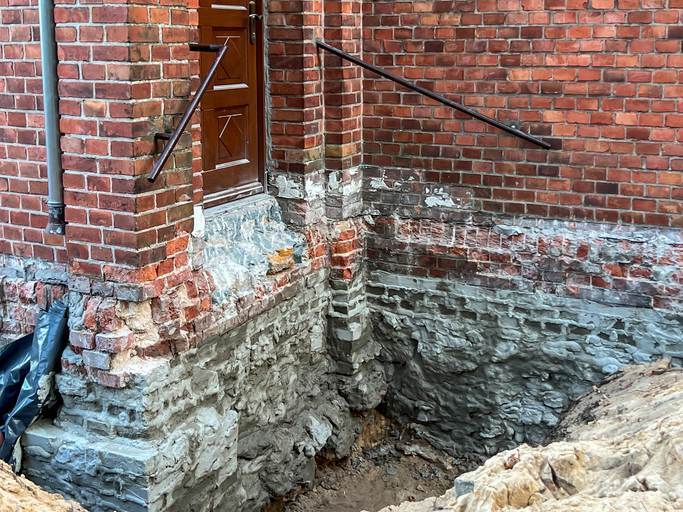
What Are Push Piers?
Push piers are long, narrow columns that are driven deep into the ground beneath a foundation. Once in place, the weight of your home transfers to the piers instead of the unstable soil near the surface.
The push pier foundation repair method is used to stabilize and, in some cases, lift a settling foundation. This approach gives homeowners a more dependable solution than surface-level fixes.
Types of Push Piers Used in Foundation Repair
There are three main push pier types. The one that makes the most sense for your home depends on local soil conditions and the kind of support needed to fix the settling foundation for good. Your contractor may recommend one of the following:
- Concrete push piers: These are made from precast concrete cylinders that are stacked and pressed into the ground. Concrete piers are a popular option because they’re cost-effective and work well when stable soil is located at shallower depths. Many Texas homes benefit from this system.
- Steel push piers: This push pier type consists of interlocking steel tubes driven deep into the ground using hydraulic equipment. These are praised for their strength and ability to reach load-bearing soil or bedrock further underground. Steel piers are often the go-to choice for heavier structures or homes experiencing more severe settlement.
- Hybrid steel and concrete push piers: A hybrid system combines elements of both materials. Typically, steel is used to reach deeper, stable layers, while concrete components add support closer to the surface. This approach offers more flexibility when dealing with varying soil conditions across a property.
Steel Push Piers vs. Concrete Push Piers vs. Hybrid Systems
Choosing between different types of push piers comes down to performance, soil behavior, and how long you expect the repair to last.
Concrete Push Piers
Concrete piers have been used in Texas for decades. They might be the oldest of the three types, but that doesn’t mean they’re outdated. Concrete piers are dependable in the right conditions and offer a more budget-friendly option than steel piers. They provide solid support when installed properly in areas with relatively stable soil.
Note that concrete piers rely on friction with the surrounding soil to stay in place. If the ground continues to shift significantly after installation, the piers may become unstable.
Steel Push Piers
Steel piers are often viewed as a premium option because they can go deeper and support more weight. Since they’re driven down until they reach bedrock, they don’t rely on the upper layers for stability. This makes them less affected by the unpredictable clay soil near the surface that is so common in Texas.
Steel piers also allow for more precise lifting and adjustment, which matters if your home has settled unevenly. As a result, steel push piers are one of the most reliable long-term foundation repair solutions, especially in more severe cases.
Hybrid Steel and Concrete Push Piers
Hybrid systems land somewhere in the middle. They’re particularly useful when soil conditions vary across your property, which is common in North Texas. One part of your home might sit over unstable soil, while another area offers more support closer to the surface.
Combining steel and concrete allows contractors to adapt to soil conditions without fully committing to one system or the other. Hybrid steel and concrete push piers provide strong support where needed while keeping costs lower than a full steel system. When weighing price vs. performance, they often deliver the most balanced outcome when designed correctly for the site.
Factors That Determine the Right Pier System
Every home is different, and there’s no one-size-fits-all solution for structural foundation repair. With this in mind, here are the main factors that guide your contractor’s decision:
- Soil conditions: North Texas soil is known for its high clay content, which expands when wet and shrinks when dry. The depth of stable soil is an important consideration when selecting the right repair method. If piers need to be driven farther down to reach bedrock, steel is usually the better choice.
- Other site-specific conditions: Drainage, landscaping, and previous repairs influence what type of system will perform best. A thorough inspection ensures no detail is overlooked.
- Weight of the structure: Multi-story homes or those constructed with heavier materials place greater demand on the foundation. Steel push piers are typically better suited for these loads due to their superior strength and depth.
- Severity of foundation movement: Minor settling may be addressed effectively with concrete piers, while more severe movement often calls for steel piers.
- Budget considerations: Concrete piers usually cost less upfront, but they’re not suitable for every situation. When some areas need extra strength and others don’t, a hybrid system offers a cost-conscious compromise.
- Long-term goals: If you’re planning to stay in your home for many years, investing in a long-term foundation repair solution is the most important consideration. A steel or hybrid system most likely aligns with this goal.
Create a Foundation Repair Plan for Your Home
Choosing between steel push piers vs. concrete push piers vs. a hybrid system requires experience, local knowledge, and a clear understanding of how Texas soil behaves. James Bond Complete Foundation Repair has worked with homeowners across the Dallas area for over 25 years.
Before recommending a push pier foundation repair method, we’ll evaluate the soil conditions, environmental factors, and load requirements to determine your property’s specific needs. Then, we’ll explain the reasoning behind our decision and offer an upfront estimate so you know exactly what to expect. For your peace of mind, we stand behind every job with a lifetime transferable warranty.
Ready to tackle foundation concerns in Dallas, Garland, Plano, or Rowlett, TX? Contact us today to schedule a free on-site inspection and estimate.