
What Happens If You Ignore Foundation Problems?
The Risk of Long-Term Foundation Damage
Foundation problems do not stay small forever, especially in the expansive soils common around Dallas, TX. James Bond Complete Foundation Repair has seen how long‑term foundation damage can affect safety, comfort, and any remodeling plans, which is why early attention matters for every homeowner.
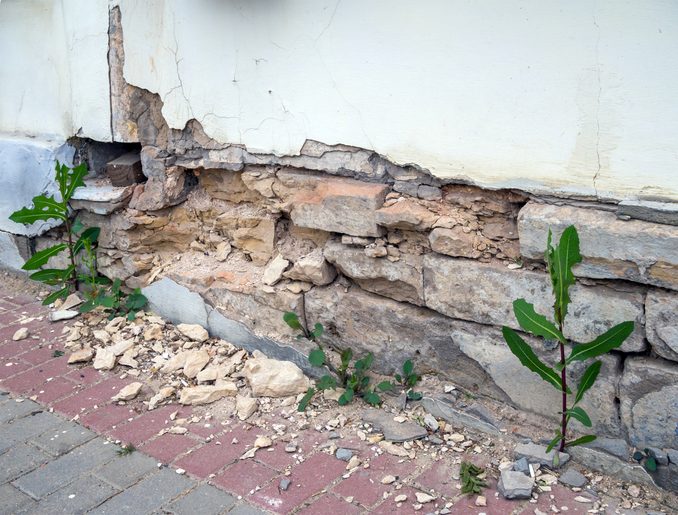
Why Foundation Problems Should Not Be Ignored
Foundation issues affect the entire structure because everything in a home depends on a stable base. This movement in the foundation eventually shows up in walls, floors, doors, and windows. Addressing problems early helps protect your investment, reduce the need for future foundation repairs, and keep your home safer and more comfortable for daily living.
Common Signs of Foundation Problems
Foundation problems usually show up as everyday changes you can see and feel. Watching for these and other warning signs helps you act before the damage grows:
- Cracks in Walls or Ceilings – Lines that form or widen around doors, windows, or corners can signal movement and stress in framing.
- Doors and Windows That Stick – Doors that drag or do not latch, and windows that become hard to open, may show uneven settlement.
- Uneven or Sloping Floors – Floors that feel sloped, bouncy, or separated at baseboards often point to underlying movement.
- Gaps Around Trim and Built-Ins – Spaces between trim, cabinets, or fireplaces and the wall can mean the structure is shifting. These changes often grow as the movement continues.
What Happens If You Ignore Foundation Problems?
Ignoring foundation problems allows small issues to grow into larger, more expensive challenges. Continued movement affects more parts of the home over time, causing more damage:
- Worsening Cracks and Gaps – Hairline cracks can widen, and gaps around doors, windows, and trim can increase. This makes cosmetic repairs less effective when the underlying movement continues.
- Increased Structural Stress – Beams, joists, and framing members carry uneven loads when the foundation settles. Over time, this can lead to more pronounced structural damage warning signs in multiple rooms.
- Higher Repair Costs Later – Delayed repairs can mean more piers, more materials, and more interior work. Moreso, related repairs to finishes, flooring, and exterior materials may be needed.
- Impact on Remodeling Plans – Future remodels become harder when the foundation is unstable. Contractors may recommend addressing unsafe foundation symptoms before starting new work.
- Possible Safety Concerns – Doors that do not close properly, uneven floors, and compromised framing can affect safety. While issues may start small, they can become more serious if the foundation continues to move.
How Foundation Problems Get Worse Over Time
Foundation problems usually follow a pattern driven by soil behavior, moisture changes, and structural load. When movement begins, it often continues, especially in clay‑rich soils, leading to problems like:
- Ongoing Soil Expansion and Contraction – Local soils shrink in dry conditions and swell when wet. Clay reacts naturally to moisture, causing the foundation to repeatedly rise and fall.
- Drainage and Moisture Patterns – Poor drainage, uncontrolled runoff, or leaking plumbing can worsen settlement. Water can accumulate, which leads to uneven support and more severe long-term foundation damage.
- Added Weight From Normal Living – Daily use, furniture, and appliances add steady weight to an already stressed structure. Over time, this can deepen settlement in weaker areas.
- Minor Movement Turning Into Major Shifts – Small changes in elevation can grow into noticeable differences across rooms. Sloping floors and misaligned frames tend to become more obvious as the foundation continues to move.
Can Foundation Problems Fix Themselves?
Foundation problems do not fix themselves because the underlying causes usually stay in place. Once soils shift, moisture patterns change, or loads become uneven, the movement rarely reverses on its own. The reason is that gravity, soil behavior, and everyday use keep pressure on the same weak points.
What Should You Do If You Notice Foundation Problems?
If you see possible signs of foundation failure, the best step is to start evaluating and keep track of these changes. Start by noting what you observe, such as cracks or stuck doors, and how long they have been present. Then contact a trusted foundation repair company for an on‑site evaluation so you can learn what is happening and what options exist.
Foundation Repair Options for Common Problems
The right repair solution depends on the type of foundation, the pattern of movement, and the soil conditions. Consider these options to address unsafe foundation symptoms and restore support:
- Exterior Foundation Piers – Installed along the perimeter to support settling edges and exterior walls. These piers help reduce further movement and improve alignment at doors, windows, and siding.
- Interior Foundation Piers – Placed under interior beams or load-bearing walls to stabilize floors and rooms. Interior piers are especially helpful where sloping or bouncy floors affect daily comfort.
- Hybrid Steel and Concrete Push Piers – Systems that combine steel strength with concrete mass for deeper, more durable support. They transfer the home’s weight to more stable soil layers and can lift settled areas.
- Drainage and Site Improvements – Changes to gutters, downspouts, grading, or drainage systems help control moisture. In addition, better water management protects repaired foundations from future issues.
- Crawl Space and Pier and Beam Adjustments – Shimming, replacing, or adding piers under pier and beam homes can correct uneven support. These adjustments improve floor performance and overall stability.
The Typical Foundation Repair Timeline
Setting your foundation repair timeline usually begins with a phone call and an on‑site evaluation. Measurements, elevation readings, and soil observations help build a repair plan. Actual repairs can take anywhere from just one day to several days or more, depending on the size of the project and the number of piers or adjustments involved.
Protect Your Home From Long-Term Foundation Damage
Foundation problems are easier and less costly to address when you act early and work with our experienced professionals. A careful evaluation and well‑planned repair can help keep homes across Dallas, Garland, and surrounding communities safer and ready for the future. For a free evaluation, contact James Bond Complete Foundation Repair today.