
How Thick Should Your Home’s Foundation Be?
How Thick Should Your Home’s Foundation Be?
Thickness, materials, and design of a home’s foundation all play a role in how well a structure performs over time. Soil movement and moisture changes make proper foundation design especially important. James Bond Complete Foundation Repair has worked with homeowners across Dallas for more than 25 years, and questions about house foundation thickness often come up during inspections and repairs.
What Is the Purpose of a Foundation?
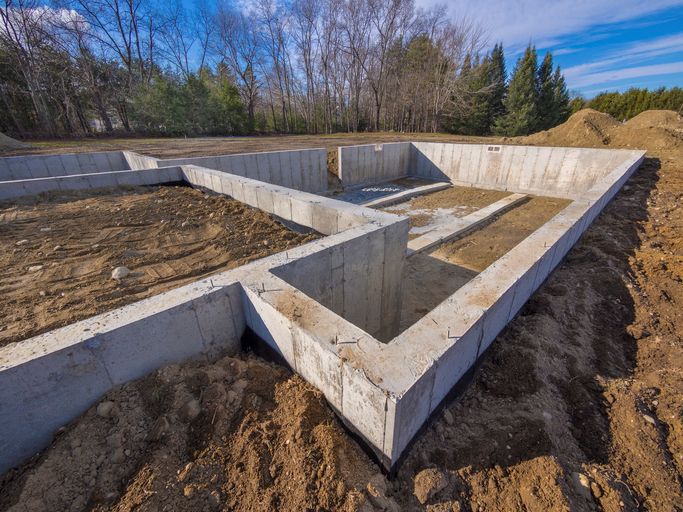
The foundation serves as the structural base of a home, transferring its weight safely into the ground. It must support walls, floors, roofing systems, and everything inside the house while resisting movement caused by soil changes. Foundation wall thickness is a key factor in how effectively that load is distributed. Beyond structural support, a foundation also helps manage moisture and provides resistance against soil pressure. The foundation must be strong enough to withstand ongoing stress without cracking or shifting excessively.
6 Common Types of Foundations
Different homes use different foundation designs depending on soil conditions, climate, and building codes. Understanding the types of foundations helps explain why thickness requirements vary from one structure to another. Below are six common foundation types seen in residential construction. Each has distinct characteristics that influence wall thickness and overall performance:
- Slab-on-grade Foundations – A single, thick concrete slab poured directly on prepared soil that supports both the structure and floor loads. It is cost-effective and has low maintenance but offers limited access to plumbing and utilities.
- Pier and Beam Foundations – This system uses vertical piers to support horizontal beams, elevating the structure above the ground. It allows easy access to utilities and performs well on shifting soil but may require more maintenance over time.
- Basement Foundations – Basements create a full or partial below-grade living or storage space with concrete or masonry walls. They add usable square footage and structural stability but are more expensive and require effective moisture control.
- Crawl Space Foundations – A crawl space raises the home slightly off the ground, creating a shallow area for access to utilities. It improves ventilation and moisture management compared to slabs but can be vulnerable to humidity if not properly sealed.
- Monolithic Slab Foundations – A type of slab-on-grade where footings and slab are poured at the same time as one continuous concrete pour. This approach reduces labor and construction time but offers less flexibility for complex designs.
- Stem Wall Foundations – Stem walls consist of short concrete walls that extend from footings up to the structure, with a slab or floor system inside. They provide good load distribution and elevation control, especially on sloped or uneven sites.
What Is Optimal Foundation Wall Thickness?
Optimal foundation wall thickness depends on several factors, including foundation type, soil conditions, and structural load. For many residential foundations, wall thickness commonly ranges between 6 and 10 inches. Slab-on-grade foundations often fall at the lower end of this range, while basement or stem wall foundations may require additional thickness to handle soil pressure.
In expansive soil regions, thickness alone is not enough. Proper reinforcement, soil preparation, and drainage work together with wall dimensions to prevent cracking and settlement. When we evaluate foundations, we look beyond measurements to understand how the entire system performs under stress.
What Size Foundation Is Required for a House?
Determining the appropriate house foundation thickness involves more than square footage; the size and weight of the home, the number of stories, and interior load-bearing elements all influence foundation requirements. Local building codes also set minimum standards to ensure safety and performance. Several factors are considered when determining foundation size and thickness. These elements help ensure the foundation can support the structure:
- Total weight of the structure and roof system
- Soil bearing capacity and moisture behavior
- Foundation type and reinforcement design
The Value of Professional Evaluation
Understanding foundation wall thickness is helpful, but a professional evaluation provides clarity about what your home actually needs. Over time, soil conditions change, and foundations can shift or settle. Identifying concerns early allows for targeted repairs rather than extensive structural work later. James Bond Complete Foundation Repair offers free estimates, transparent and competitive pricing, and clear explanations so homeowners know exactly what is happening beneath their homes. Every repair we perform includes a lifetime transferable warranty, providing lasting protection and peace of mind.
Schedule a Foundation Evaluation
Do you have questions about your home’s foundation wall thickness or concerns about structural stability? James Bond Complete Foundation Repair provides honest assessments and reliable solutions. Contact us today to schedule your free estimate and ensure your foundation is built to last.